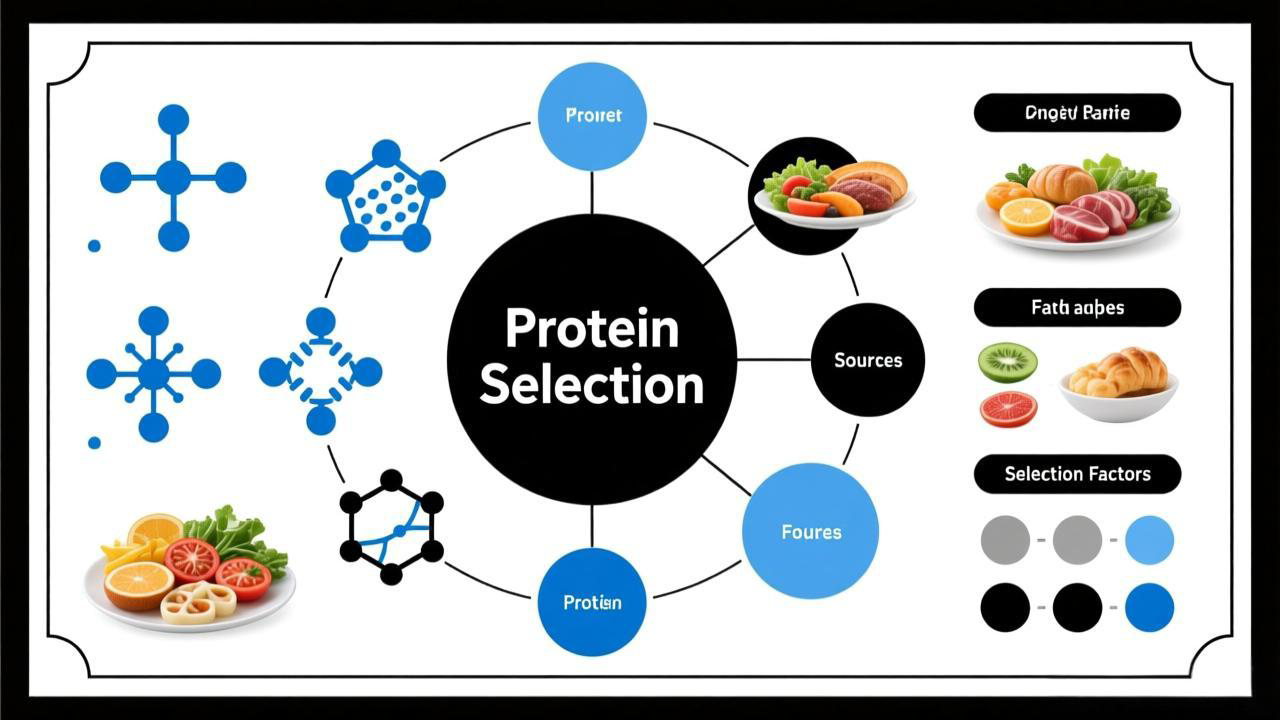
SELEX (Systematic Evolution of Ligands by Exponential Enrichment) is an iterative process to select high-affinity, specific nucleic acid aptamers (ssDNA or RNA) against a target molecule.
The magnetic bead-based method revolutionizes this by using beads as a solid, easily separable support, drastically improving speed and efficiency.
A professional service provider will execute this cyclic process, usually over 8-15 rounds:
Rapid Separation: Magnetic stands enable quick washing and buffer exchange, shortening each selection round from hours to minutes.
Reduced Non-Specific Binding: Efficient washing minimizes background, leading to cleaner selection.
Automation-Friendly: Perfectly suited for robotic liquid handlers, enabling high-throughput, reproducible selections.
Flexibility with Targets:
Immobilized Targets: Proteins, small molecules, cells, or viruses can be directly conjugated to the beads.
Counter-Selection: Beads coated with non-target molecules (e.g., a related protein, cell type) can be used to subtract non-specific binders, dramatically enhancing specificity.
1. Project Design & Consultation
Target characterization and strategy (native vs. tagged protein, cell surface marker).
Selection of library type (DNA, RNA, modified nucleotides like 2′-F for stability).
Design of counter-selection steps.
2. The SELEX Selection Process
Library Synthesis: Starting with a random oligonucleotide pool (e.g., 40-60 nt variable region).
Bead Preparation: Covalent coupling or affinity-based immobilization of your target to magnetic beads.
Iterative Rounds: Conducting binding, washing, elution (via heat, denaturants, or target competition), and amplification.
Monitoring: Using quantitative PCR or other methods to track enrichment progress.
3. Post-SELEX Analysis & Identification
Cloning & Sequencing: High-throughput sequencing (NGS) of the final enriched pool.
Bioinformatics Analysis: Clustering to identify sequence families, consensus motifs, and predicted secondary structures.
Candidate Selection: Providing a shortlist (e.g., 5-20) of the most promising aptamer sequences.
4. Initial Characterization & Validation (Often as an add-on)
Synthesis & Labeling: Chemical synthesis of candidate aptamers, often with fluorescent (FAM, Cy5) or biotin tags.
Affinity Measurement: Determining dissociation constant (Kd) via techniques like flow cytometry (for cells) or biolayer interferometry (BLI)/surface plasmon resonance (SPR) for proteins.
Specificity Testing: Cross-reactivity tests against related targets or control cells.
Functional Assays: Preliminary tests like aptamer-based detection or inhibition, depending on the application goal.
The aptamers discovered through this service can be used for:
Diagnostics: As capture/detection agents in biosensors (aptasensors), lateral flow assays, or ELISA-like tests.
Therapeutics: As antagonist, agonist, or targeted drug delivery vehicles (e.g., aptamer-drug conjugates).
Research Tools: For protein or cell isolation, imaging, and mechanistic studies.
Biotechnology: As affinity ligands in chromatography columns (aptamer-affinity purification).
Experience & Expertise: Proven track record with targets similar to yours (soluble proteins, membrane proteins, whole cells, small molecules).
Technology Platform: Ask about their bead chemistry, NGS capabilities, and primary characterization methods (e.g., BLI, SPR, flow cytometry).
Project Transparency: Will they provide regular updates and data (enrichment curves, sequencing statistics)?
Deliverables: Clearly understand what you receive (e.g., just sequences, synthesized aptamers, full Kd reports).
Turnaround Time & Cost: Typically ranges from 3 to 6 months and can cost from $20,000 to $100,000+, depending on target complexity and depth of characterization.
A Magnetic Bead-based SELEX Aptamer Screening Service provides a streamlined, efficient path to discover high-quality aptamers. By leveraging this expertise, research groups and companies can accelerate their projects without investing in the specialized equipment and experience required for the SELEX process itself, moving directly to applying validated aptamers for their diagnostic, therapeutic, or research needs.
Aptamer Affinity Optimization

Aptamer Library Construction

Customized Aptamer Selection
High-throughput Aptamer Screening
High-Throughput Sequencing SELEX Aptamer Screening Service

Conventional SELEX Aptamer Screening Service
Negative SELEX Aptamer Screening Service
Toggle-SELEX Aptamer Screening Service
Capture-SELEX Aptamer Screening Service
Surface Plasmon Resonance SELEX Aptamer Screening Service

Capillary Electrophoresis SELEX Aptamer Screening Service
Filter Membrane Binding SELEX Aptamer Screening Service
Toggle-SELEX Aptamer Screening Service

Negative Aptamer Selection- A Practical Guide to Improving Aptamer Specificity in SELEX

selexkmdbio-Cell Nucleic Acid Aptamer Screening Service
Aptamer Screening- Current Methods and Future Trend towards Non-SELEX Approach
Aptamer Screening Service-Subtractive SELEX
Aptamer Screening Service-Counter SELEX
Aptamer Screening Service-HT-SELEX
Aptamer Screening Service-NGS-SELEX

Aptamer Screening Service-Multi-Round SELEX Screening
Whole Cell-SELEX Aptamer Screening Service
Membrane Protein Aptamer Screening Service
Aptamer Screening Service for Drug Discovery
Aptamer Live Cell SELEX Service
Classical SELEX Service for Aptamer
Aptamer Selection and Identification
Aptamer Screening Process and Applications Overview