

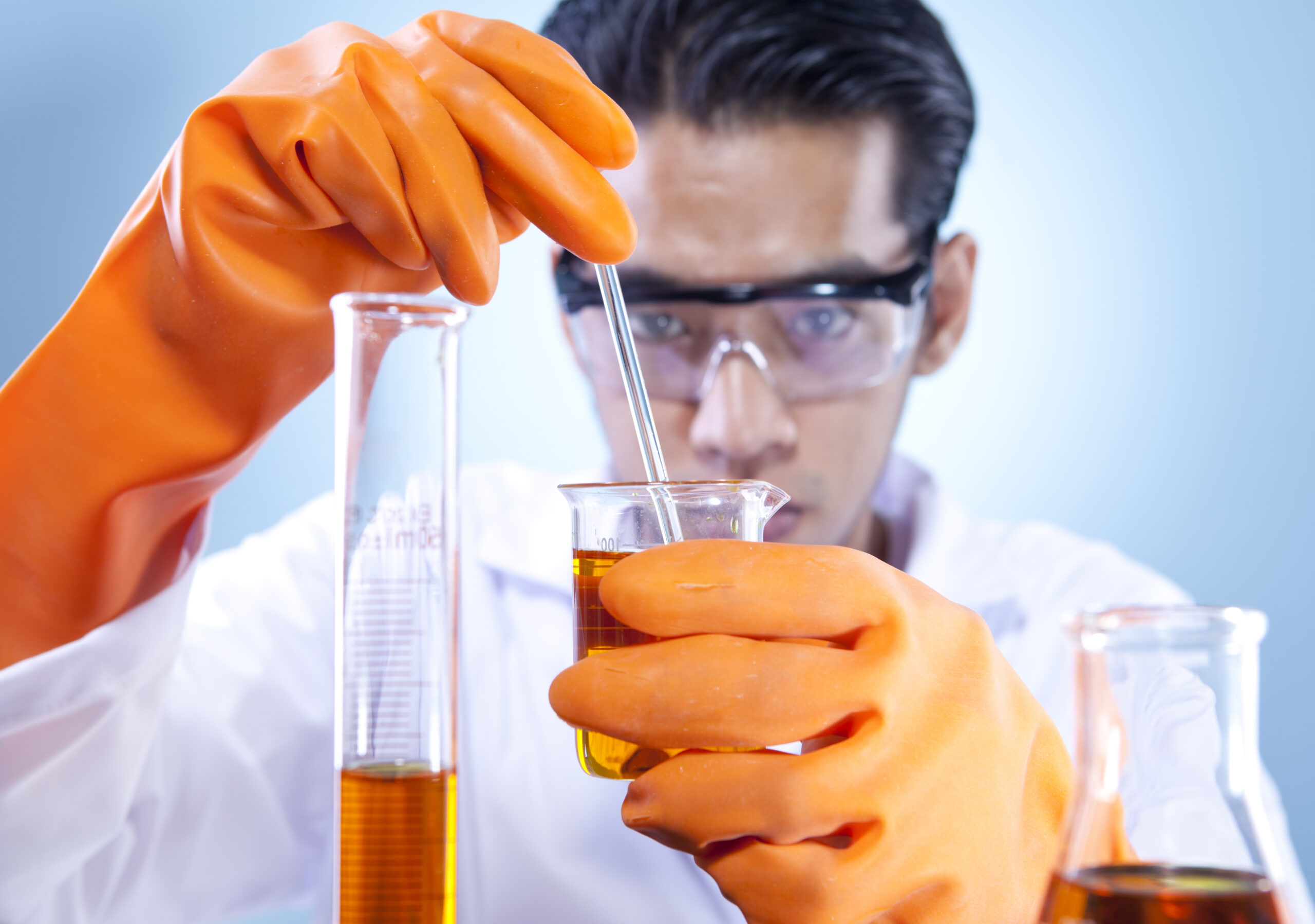
In the fields of biotechnology and pharmaceutical research area, phage display peptide library screening services and compound library screening services are two key tools. They utilize different strategies to identify small molecules with potential biological activity. This article will make a detailed comparison from the background, experimental process, similarities, to advantages and disadvantages of these two services. Phage Display Peptide Library The phage display technique, first introduced by George P. Smith in 1985, is a method of using phages as carriers to display proteins or peptides. This technology allows a large number of different peptide sequences to be presented on the surface of phages, enabling high-throughput screening against specific targets. Compound Library Screening Service The compound library screening service uses a large number of chemically synthesized small molecule compounds. The core of this method is the creation and maintenance of a library containing tens of thousands or more compounds, used to screen for molecules that may have activity against specific biological targets. Service Process of Phage Display Peptide Library Screening 1 Library Construction: Constructed by inserting random or semi-random peptide sequences into the phage genome. 2 Target Affinity Screening: The phage-displayed peptide library is contacted with specific targets (such as…

Technical Document: Aptamer Screening – Principles, Applications, and Advances Document Version: 1.0 Date: October 26, 2023 Subject: Overview of the methodologies and diverse applications of aptamer screening technologies. 1.0 Executive Summary Aptamer screening, primarily through the Systematic Evolution of Ligands by EXponential enrichment (SELEX) process, is a high-throughput in vitro technology for identifying single-stranded DNA or RNA oligonucleotides (aptamers) with high affinity and specificity for a target molecule. This document outlines the core principles of aptamer screening and its transformative applications across diagnostics, therapeutics, biotechnology, and environmental monitoring. Aptamers, often termed "chemical antibodies," offer advantages such as in vitro synthesis, low immunogenicity, and ease of modification, making them powerful tools in molecular recognition. 2.0 Introduction to Aptamer Screening Aptamers are short, synthetic oligonucleotides that fold into defined three-dimensional structures, enabling them to bind to targets ranging from small ions and organic molecules to proteins, cells, and even whole organisms. The process of discovering these binding sequences is called aptamer screening. The gold standard method is SELEX, a repetitive cycle of: Incubation: A vast, random oligonucleotide library (10^14–10^15 sequences) is exposed to the target. Partitioning: Target-bound sequences are separated from unbound ones. Amplification: The bound sequences are amplified via PCR (for DNA) or RT-PCR (for RNA). Conditioning: The enriched pool is prepared for the next selection…

Aptamer Screening Methods Introduction Aptamers are single-stranded DNA or RNA oligonucleotides that bind to specific target molecules with high affinity and specificity. The Systematic Evolution of Ligands by EXponential enrichment (SELEX) process is the primary method for aptamer development. The choice of screening strategy depends critically on the nature of the target—its size, structure, chemical properties, and available functional groups for immobilization. This document outlines established and emerging SELEX methodologies tailored for different target classes: small molecules, proteins, and whole cells. 1. Screening Methods for Small Molecule Compounds Small molecule targets (MW < 1000 Da, e.g., toxins, antibiotics, hormones) present unique challenges due to their simple structure, limited binding sites, low affinity for nucleic acids, and difficulty in separation from unbound sequences. Screening strategies often require immobilization of the target or the library, with optimized separation techniques. 1.1. Agarose Affinity Chromatography SELEX Principle: The small molecule target is covalently coupled to cross-linked agarose beads packed into a chromatography column. A nucleic acid library is passed through; bound sequences are retained and later eluted for amplification. Process: Typically requires 3–18 selection rounds. Applications: Early and successful selection of aptamers for dyes, ATP, S-adenosylhomocysteine, L-arginine, coenzyme A, kanamycin, and benzylpenicillin. Advantages: Mature, reliable technology. Limitations: Requires large…
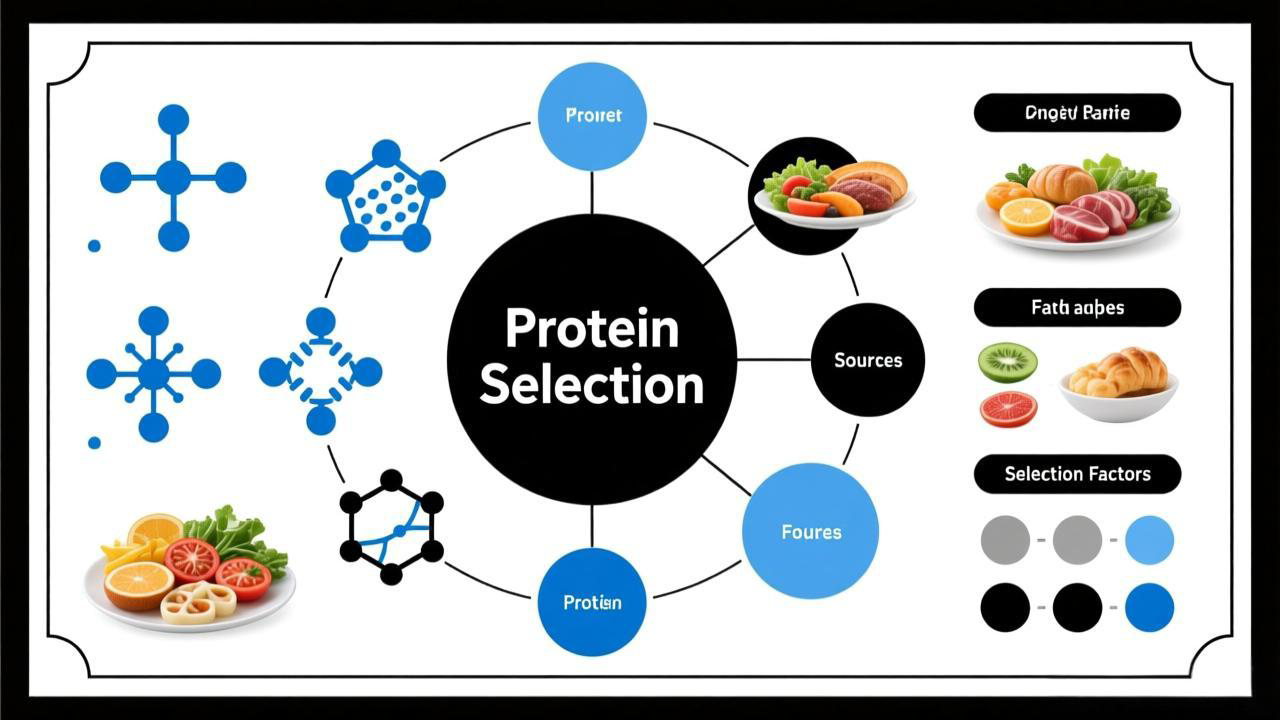
What are Peptide Screening Services? These are specialized contract research services offered by biotech companies and CROs (Contract Research Organizations) to discover, optimize, or validate peptide-based molecules for various applications. They provide the expertise, libraries, and high-throughput technologies to efficiently identify peptide hits from vast molecular collections. Core Types of Peptide Screening Services 1. Library-Based Screening This is the most common starting point for discovery. Synthetic Peptide Libraries: Collections of thousands to millions of chemically synthesized peptides. Positional Scanning Libraries: For epitope mapping or identifying key amino acid residues. Truncation & Alanine Scanning: To find the minimal active sequence and critical residues. Phage Display Libraries: The largest and most diverse format (up to 10^11 unique sequences). A library of bacteriophages, each displaying a unique peptide on its coat protein, is panned against a target (e.g., a protein, cell). mRNA/Ribosome Display Libraries: Cell-free systems that link the peptide to its encoding mRNA, allowing for even larger libraries and easier mutagenesis. 2. Functional & Application-Specific Screening Services are tailored to the desired peptide function: Target-Based Screening: Against purified proteins (e.g., enzymes, receptors, GPCRs, protein-protein interaction interfaces). Cell-Based Screening: For peptides that modulate cell signaling, internalize into cells (CPPs), or have antimicrobial (AMP) or anticancer activity. Antigen/Antibody Screening: For epitope mapping, vaccine development,…
Think of it as a sophisticated, high-throughput search and test process. Instead of you building and running every experiment in your own lab, you outsource the initial heavy lifting to experts with specialized libraries and automated systems. Here’s a detailed breakdown: Core Concept The goal is to sift through vast collections (libraries) of peptides—short chains of amino acids—to find the few that bind to a specific target (like a protein, receptor, or cell), catalyze a reaction, or exhibit a desired function (e.g., antimicrobial activity). Key Components of Peptide Screening Services Peptide Libraries: Synthetic Libraries: Collections of thousands to millions of chemically synthesized peptides. They can be diverse (random sequences) or focused (based on a known protein family or structure). Phage Display / Yeast Display Libraries: Genetic libraries where each peptide is displayed on the surface of a virus (phage) or yeast cell, with its DNA sequence inside. This allows for easy amplification and sequencing of "hits." Screening Assays (The "How"): Binding Screens: The most common. Immobilize your target and see which peptides from the library stick to it. Techniques include ELISA, surface plasmon resonance (SPR), and biopanning (for phage display). Functional Screens: Test for a biological effect, like enzyme inhibition, antimicrobial killing, or cell penetration. High-Throughput Screening (HTS): Automated…

Aptamers are short single-stranded DNA or RNA molecules that fold into 3D structures capable of binding targets (proteins, small molecules, cells, or even complex particles) with high specificity and affinity. “Aptamer methods” usually refers to the full pipeline: library design → selection (SELEX) → enrichment monitoring → sequencing & bioinformatics → candidate optimization → biophysical/functional validation → stability engineering. Modern platforms improve speed and hit quality by combining smarter selection pressures with microfluidics and next-generation sequencing. 1) Core Aptamer Selection Method: SELEX (Systematic Evolution of Ligands by EXponential Enrichment) 1.1 Classical SELEX workflow (baseline method) Start with a random oligonucleotide library (often 10^13–10^15 unique sequences) Incubate library with the target Partition bound vs unbound sequences Elute binders Amplify (PCR for DNA; RT-PCR + transcription for RNA) Repeat iterative rounds with increasing stringency until enrichment is achieved Why it works: each round increases the fraction of sequences that can bind under the imposed conditions (buffer, temperature, competitor molecules, etc.). Why it’s hard: classical SELEX can be slow, labor intensive, and prone to amplification bias—hence the rise of “advanced SELEX” platforms. 1.2 “Stringency engineering” (how you make aptamers useful) Selection success often depends less on the target itself…
Aptamers are short, single-stranded DNA or RNA sequences that fold into 3D shapes capable of binding specific targets—proteins, small molecules, ions, cells, or even complex mixtures—with high affinity and selectivity. Because they are chemically synthesized, readily modified, and often less immunogenic than protein binders, aptamers have matured into a versatile “molecular toolkit” used across diagnostics, biosensing, therapeutics, imaging, and bioprocessing. This article explains APTAMER APPLICATIONS from fundamentals to advanced use-cases, with an emphasis on how teams translate an aptamer sequence into a functioning assay, sensor, drug carrier, or imaging probe. 1) How Aptamers Are Created (Why Selection Method Shapes Applications) Most aptamers are discovered through SELEX (Systematic Evolution of Ligands by EXponential enrichment): iterative rounds of binding, separation, and amplification that enrich sequences best suited to a chosen target and conditions. Modern SELEX variants—such as cell-SELEX, microfluidic SELEX, and capillary electrophoresis SELEX—aim to shorten selection time, improve specificity, and better match real-world sample environments. The practical result is that application performance often depends as much on selection constraints (buffer, temperature, counter-selection targets, matrix effects) as on the final nucleotide sequence. Key takeaway: If the intended application involves serum, saliva, food extracts, or environmental water, designing SELEX conditions to…
Isothermal Titration Calorimetry (ITC) binding services help researchers quantify molecular interactions directly in solution by measuring the heat released or absorbed during binding events. Unlike many indirect binding assays, ITC is label-free and can report multiple thermodynamic parameters in a single experiment—most notably binding affinity (Kd/Ka), stoichiometry (n), and enthalpy (ΔH), with entropy (ΔS) and free energy (ΔG) derived from the measured values. What ITC Measures (and Why It’s Different) At its core, ITC measures heat. When a ligand is titrated into a cell containing a binding partner (commonly a protein), each injection generates a heat signal proportional to how much binding occurs at that point in the titration. From the full binding isotherm, ITC can determine: Binding affinity: Kd (or Ka) Stoichiometry: n (how many ligand molecules bind per macromolecule, or binding-site equivalents) Enthalpy change: ΔH (measured directly) Gibbs free energy: ΔG (derived) Entropy contribution: ΔS (derived via ΔG = ΔH − TΔS) This combination matters because two interactions with the same Kd can be driven by very different physics—electrostatics/hydrogen bonding vs. hydrophobic effects, for example—often reflected in different ΔH and ΔS balances. What “ITC Binding Services” Typically Include While providers vary, ITC binding…
Custom Cell Culture Services are specialized, on-demand laboratory offerings where an external team cultures cells to your requirements—cell type, format, scale, timing, and quality attributes—so you can generate reliable biological material or assay-ready cells without building the full in-house infrastructure. These services commonly support mammalian and microbial culture work for applications like protein expression, assay development, drug screening, and functional studies, often extending into optimization, scale-up, and quality control testing. What “Custom” Really Means in Cell Culture In practice, “custom” usually refers to tailoring inputs, process conditions, and outputs: Inputs: your chosen cell line (or a requested cell type), media requirements, supplements, antibiotics policy, culture vessels, and documentation needs. Some providers also isolate primary cells on request, depending on scope and compliance. Process conditions: seeding density, passage number targets, feeding schedule, incubation parameters, adaptation steps, and any special handling for fragile or slow-growing cells. Outputs: frozen vials, live plates/flasks, pellets/lysates, supernatants, or assay-ready formats with defined viability and confluence ranges. A good mental model: you’re not “buying cells,” you’re purchasing a controlled biological manufacturing workflow with agreed acceptance criteria. Common Deliverables and Use Cases Custom cell culture is often used to produce consistent starting material…
“CATALOG APTAMERS & REAGENTS” usually refers to ready-to-order, pre-characterized aptamer affinity binders and the supporting assay reagents that make those binders usable in real experiments (e.g., labeling, immobilization, buffers, and controls). Aptamers themselves are short, single-stranded DNA or RNA (or related chemistries) selected from very large libraries to bind a specific target with high affinity and specificity—often described as antibody-like binding, but built from nucleic acids and produced by chemical synthesis. 1) What Are Aptamers (and Why They Matter as Reagents)? Aptamers are single-stranded nucleic acids that fold into 3D structures capable of recognizing targets such as proteins, small molecules, ions, or even cells. They are typically discovered through SELEX (Systematic Evolution of Ligands by EXponential enrichment), an iterative selection process that enriches sequences that bind the desired target. What makes aptamers especially “catalog-friendly” is that once a sequence is known, it can be reliably reproduced by chemical synthesis, and easily chemically modified (for example, adding a fluorophore or biotin) to fit common assay formats. 2) “Catalog Aptamers” vs Custom Aptamer Discovery Catalog Aptamers (ready-to-order) Catalog aptamers are fixed, known sequences that have been previously selected and are sold as standard products. Their main value…