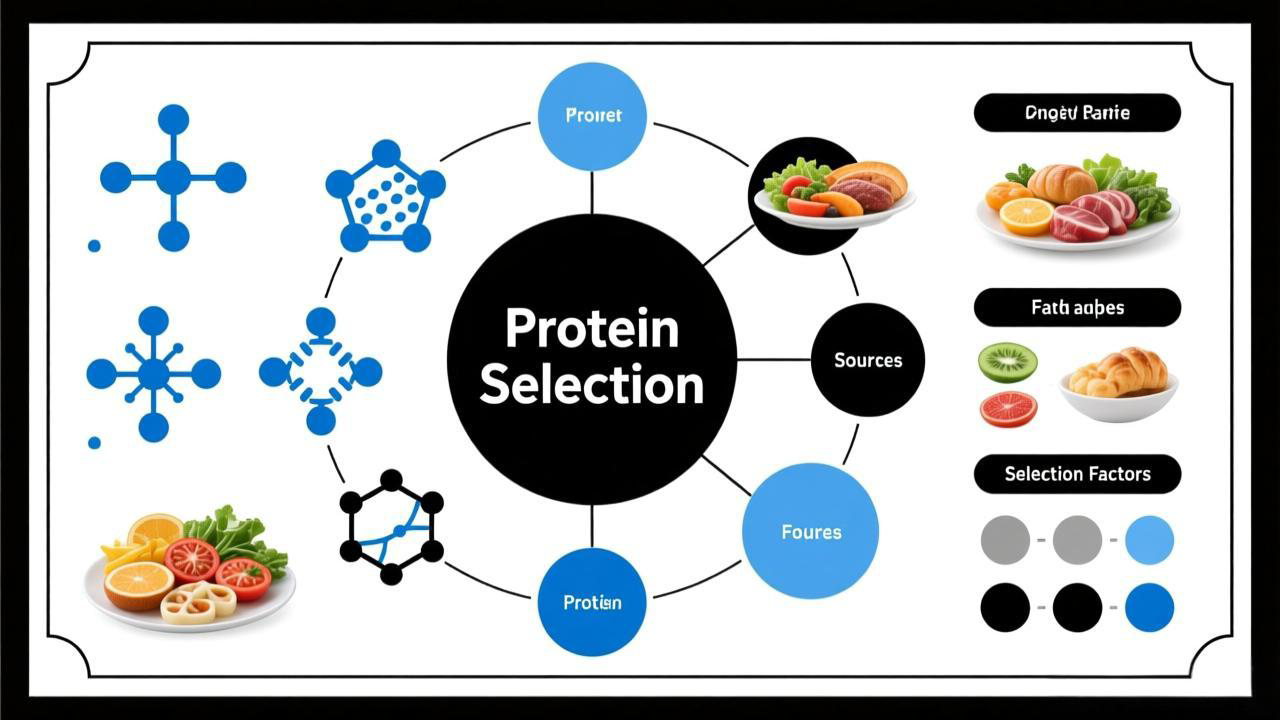
SELEX (Systematic Evolution of Ligands by EXponential enrichment) is the standard method for discovering high-affinity, specific nucleic acid aptamers. The Filter Membrane Binding variant is one of the most classic and robust SELEX techniques.
Core Principle: It leverages a nitrocellulose or mixed cellulose ester filter membrane, which irreversibly binds proteins and other macromolecules but allows short, unbound single-stranded DNA or RNA oligonucleotides to pass through.
The Selection Mechanism: During each selection round, the target molecule (e.g., a protein) is immobilized on the filter. An immense library of random oligonucleotides (10^13 – 10^15 unique sequences) is applied. Only sequences that bind to the target are retained on the filter with it. Unbound sequences are washed away. The bound aptamer candidates are then eluted, amplified by PCR (or RT-PCR for RNA), and used as the enriched library for the next round.
A professional service will typically offer:
Target Flexibility: Optimal for purified proteins (recombinant or native), protein complexes, viruses, and even some small molecules if conjugated to a carrier protein.
Counter-SELEX: A critical step to ensure specificity. The enriched library is passed through a filter bound to non-target molecules (e.g., related proteins, cell lysates, immobilization matrix) to subtract cross-reactive binders.
High-Throughput Parallel Processing: Ability to run multiple selection campaigns (e.g., against different targets or conditions) simultaneously.
State-of-the-Art NGS & Bioinformatics: Use of Next-Generation Sequencing (NGS) to analyze enriched pools, followed by bioinformatic analysis (cluster analysis, motif identification) to identify lead aptamer candidates, moving beyond just cloning and Sanger sequencing.
Quality Control: Includes steps like monitoring enrichment via qPCR or gel electrophoresis, and validating binding of lead candidates via techniques like ELISA (enzyme-linked oligonucleotide assay) or BLI/SPR.
A full-service provider will manage this end-to-end process:
Stage 1: Project Design & Consultation
Discussing target properties, desired aptamer characteristics (Kd range, specificity, modification requirements like 2′-F RNA), and project goals.
Designing the initial random library and primers.
Stage 2: The SELEX Cycle
Immobilization: Binding the target to the nitrocellulose filter.
Incubation & Partitioning: Incubating the oligonucleotide library with the target, followed by filtration to separate bound from unbound sequences.
Elution & Amplification: Recovering bound sequences and amplifying them via PCR (for DNA SELEX) or RT-PCR (for RNA SELEX).
Stringency Increase: Gradually increasing selection pressure over 8-15 rounds by reducing target amount, adding washing steps, or introducing competitive elution.
Counter-Selection: Introducing negative selection rounds to eliminate non-specific binders.
Stage 3: Analysis & Identification
Pool Sequencing: Using NGS to sequence the enriched pool from the final rounds.
Bioinformatic Analysis: Identifying enriched sequence families, consensus motifs, and predicting secondary structures.
Candidate Selection: Providing a ranked list of 5-10 lead aptamer sequences.
Stage 4: Validation & Delivery
Synthesis & Preliminary Testing: Chemically synthesizing the lead aptamers (often with a 5′-biotin or other modification) and performing initial binding validation (e.g., dot-blot, ELISA-style binding assay).
Final Report & Materials: Delivery of a comprehensive report including all sequences, analysis data, and preliminary binding data. The physical aptamer clones or synthesized oligonucleotides are also provided.
Diagnostics: As capture/detection reagents in biosensors (e.g., electrochemical, optical) and point-of-care tests.
Therapeutics: As antagonists (to block protein-protein interactions) or targeted delivery vehicles (aptamer-drug conjugates).
Research Tools: For protein detection, cellular imaging, and target purification (affinity chromatography).
Biotechnology: As affinity ligands in chromatography columns or microfluidic devices.
Expertise & Experience: Avoids the lengthy optimization process (library design, PCR conditions, stringency control).
Cost & Time Efficiency: No need to invest in specialized equipment (HPLC for ssDNA separation, NGS platforms) or dedicated personnel for months.
Higher Success Rate: Professional labs have optimized protocols and troubleshooting experience for difficult targets (e.g., low solubility, high homology to non-targets).
Integrated Analysis: Direct access to NGS and bioinformatics pipelines for efficient candidate identification.
When inquiring about such a service, be prepared to discuss:
Your Target: What is it? Provide information on purity, size, concentration, and buffer conditions.
Your Goal: What is the intended application? (e.g., detection in serum, inhibition of a function).
Desired Aptamer Type: DNA or modified RNA (e.g., 2′-F, 2′-O-Methyl for nuclease resistance).
Timeline and Budget.
In summary, a Filter Membrane Binding SELEX Aptamer Screening Service is a turnkey solution for discovering high-quality aptamers. It is particularly well-suited for protein targets and offers a proven, effective path from a target molecule to validated, sequence-defined affinity reagents.
Aptamer Affinity Optimization

Aptamer Library Construction

Customized Aptamer Selection
High-throughput Aptamer Screening
High-Throughput Sequencing SELEX Aptamer Screening Service

Conventional SELEX Aptamer Screening Service
Negative SELEX Aptamer Screening Service
Toggle-SELEX Aptamer Screening Service
Capture-SELEX Aptamer Screening Service
Surface Plasmon Resonance SELEX Aptamer Screening Service

Capillary Electrophoresis SELEX Aptamer Screening Service
Magnetic Bead-based SELEX Aptamer Screening Service
Toggle-SELEX Aptamer Screening Service

Negative Aptamer Selection- A Practical Guide to Improving Aptamer Specificity in SELEX

selexkmdbio-Cell Nucleic Acid Aptamer Screening Service
Aptamer Screening- Current Methods and Future Trend towards Non-SELEX Approach
Aptamer Screening Service-Subtractive SELEX
Aptamer Screening Service-Counter SELEX
Aptamer Screening Service-HT-SELEX
Aptamer Screening Service-NGS-SELEX

Aptamer Screening Service-Multi-Round SELEX Screening
Whole Cell-SELEX Aptamer Screening Service
Membrane Protein Aptamer Screening Service
Aptamer Screening Service for Drug Discovery
Aptamer Live Cell SELEX Service
Classical SELEX Service for Aptamer
Aptamer Selection and Identification
Aptamer Screening Process and Applications Overview