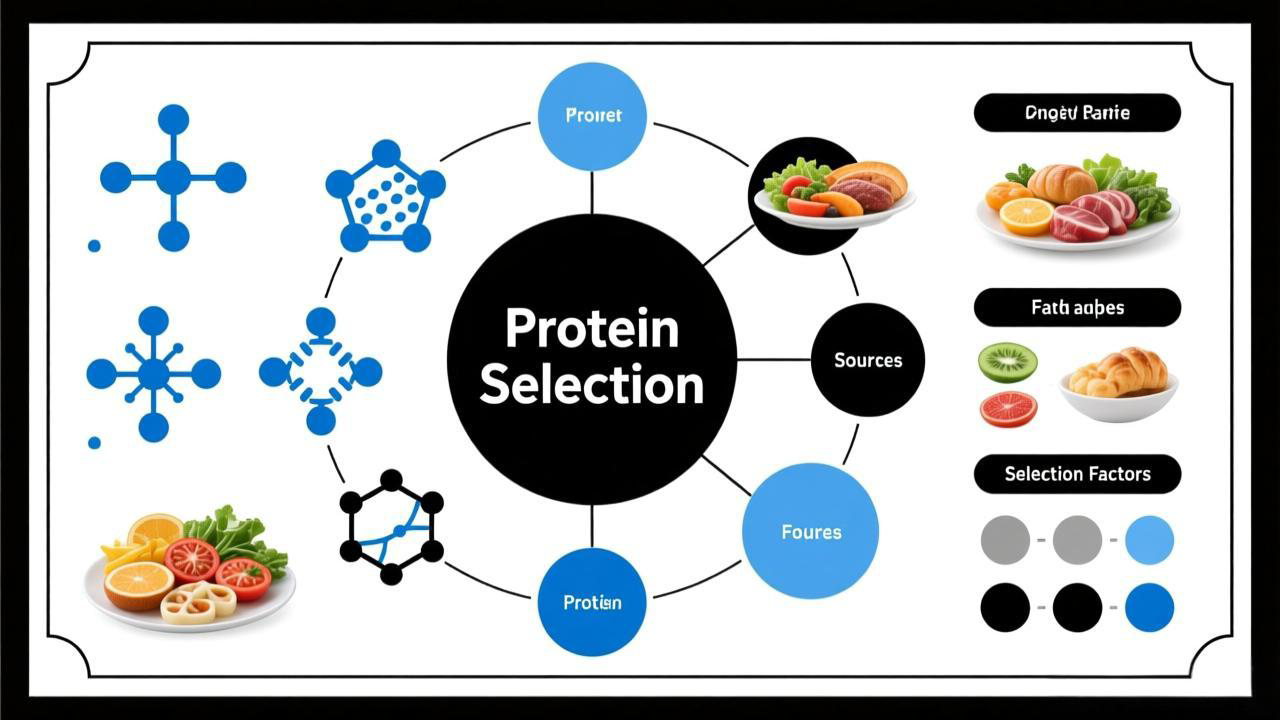
Aptamers are short, single-stranded DNA or RNA oligonucleotides (typically 20-80 bases) that fold into specific 3D structures, allowing them to bind to target molecules (like hormones) with high affinity and specificity, similar to antibodies. They are often called “chemical antibodies.”
Hormones are critical signaling molecules (e.g., insulin, cortisol, thyroid hormones, estradiol, adrenaline). Aptamers against them offer unique advantages:
High Specificity: Can distinguish between structurally similar hormones (e.g., T3 vs. T4).
Synthetic & Reproducible: Produced chemically with minimal batch-to-batch variation.
Stability: More thermally stable than antibodies.
Modifiability: Can be easily labeled with fluorescent dyes, quenchers, or nanoparticles for detection.
Low Immunogenicity: Ideal for in vivo diagnostic or therapeutic applications.
A full-service provider would typically offer the following pipeline:
a. Design & Library Construction:
Use of a vast random oligonucleotide library (10^14 – 10^15 unique sequences).
Customization of library design based on hormone properties (small molecule vs. peptide/protein).
b. SELEX Process (The Core Screening):
This is an iterative, in vitro selection process.
Incubation: The library is exposed to the target hormone (immobilized or in solution).
Partitioning: Unbound sequences are washed away; bound sequences (aptamer candidates) are retained.
Elution & Amplification: Bound sequences are eluted and amplified by PCR (for DNA) or RT-PCR (for RNA).
Counter-Selection: To ensure specificity, the pool is often passed against related molecules or matrices to remove cross-reactive binders.
Repetition: Steps 1-4 are repeated for 8-15 rounds until a highly enriched pool of binders is obtained.
c. Next-Generation Sequencing (NGS) & Bioinformatics:
The final enriched pool is sequenced.
Bioinformatic analysis identifies sequence families, consensus motifs, and predicts secondary structures.
d. Characterization & Validation:
Synthesis: Top candidate aptamers are chemically synthesized.
Affinity Measurement: Determine dissociation constant (Kd) using techniques like Surface Plasmon Resonance (SPR) or Bio-Layer Interferometry (BLI).
Specificity Testing: Test against related hormones and interferents.
Structural Analysis: Optional NMR or SAXS to determine binding structure.
Diagnostic Biosensors: For rapid, point-of-care detection of hormone levels (e.g., cortisol stress sensors, fertility hormone trackers).
Therapeutics: As antagonists to block overactive hormone receptors (e.g., in certain cancers or endocrine disorders).
Drug Delivery: As targeting agents to deliver drugs specifically to hormone-responsive tissues.
Research Tools: For hormone purification, detection in assays, or imaging in cells/tissues.
Experience with Small Molecules: Hormones are often small molecules (e.g., steroids, thyronines), which are more challenging targets for aptamer generation than proteins. Ask for a proven track record.
SELEX Platform: Do they use traditional, capillary electrophoresis-SELEX (CE-SELEX), or other advanced methods? CE-SELEX is often faster and yields higher-affinity aptamers for small targets.
Characterization Package: Ensure the service includes Kd measurement and basic specificity testing.
Delivery Output: Typically, you receive validated aptamer sequences, synthesis information, and a full characterization report. Some may provide a small amount of the aptamer.
Intellectual Property (IP) Clarity: Crucially, define who owns the IP for the discovered aptamers. Is it a “work-for-hire” (you own) or do you license them?
| Feature | Aptamer (from this service) | Polyclonal/Monoclonal Antibody |
|---|---|---|
| Production | In vitro chemical (weeks) | In vivo animal immunization (months) |
| Cost | Moderate to High (for service) | Low to Moderate |
| Specificity | Can be engineered very high | Can be high, but animal-dependent |
| Stability | High (can be regenerated) | Variable, sensitive to heat |
| Modification | Easy, site-specific | More complex |
| Target | Excellent for toxins, small molecules | Challenging for very small molecules |
A Hormone-Targeted Aptamer Screening Service is a powerful, outsourced solution to obtain novel, synthetic binding molecules for your specific hormone. It accelerates R&D in diagnostics, therapeutics, and basic research by providing a reagent that combines the best features of antibodies with the advantages of oligonucleotides.
When approaching a provider, be clear about: your exact hormone target (including its chemical form/purity), the intended application (sensor, therapeutic, tool), and your requirements for affinity, specificity, and IP ownership.
Aptamer Affinity Optimization

Aptamer Library Construction

Customized Aptamer Selection
High-throughput Aptamer Screening
High-Throughput Sequencing SELEX Aptamer Screening Service

Conventional SELEX Aptamer Screening Service
Negative SELEX Aptamer Screening Service
Toggle-SELEX Aptamer Screening Service
Capture-SELEX Aptamer Screening Service
Surface Plasmon Resonance SELEX Aptamer Screening Service

Capillary Electrophoresis SELEX Aptamer Screening Service
Magnetic Bead-based SELEX Aptamer Screening Service
Toggle-SELEX Aptamer Screening Service

Negative Aptamer Selection- A Practical Guide to Improving Aptamer Specificity in SELEX

selexkmdbio-Cell Nucleic Acid Aptamer Screening Service
Aptamer Screening- Current Methods and Future Trend towards Non-SELEX Approach
Aptamer Screening Service-Subtractive SELEX
Aptamer Screening Service-Counter SELEX
Aptamer Screening Service-HT-SELEX
Aptamer Screening Service-NGS-SELEX

Aptamer Screening Service-Multi-Round SELEX Screening
Whole Cell-SELEX Aptamer Screening Service
Membrane Protein Aptamer Screening Service
Aptamer Screening Service for Drug Discovery
Aptamer Live Cell SELEX Service
Classical SELEX Service for Aptamer
Aptamer Selection and Identification
Aptamer Screening Process and Applications Overview