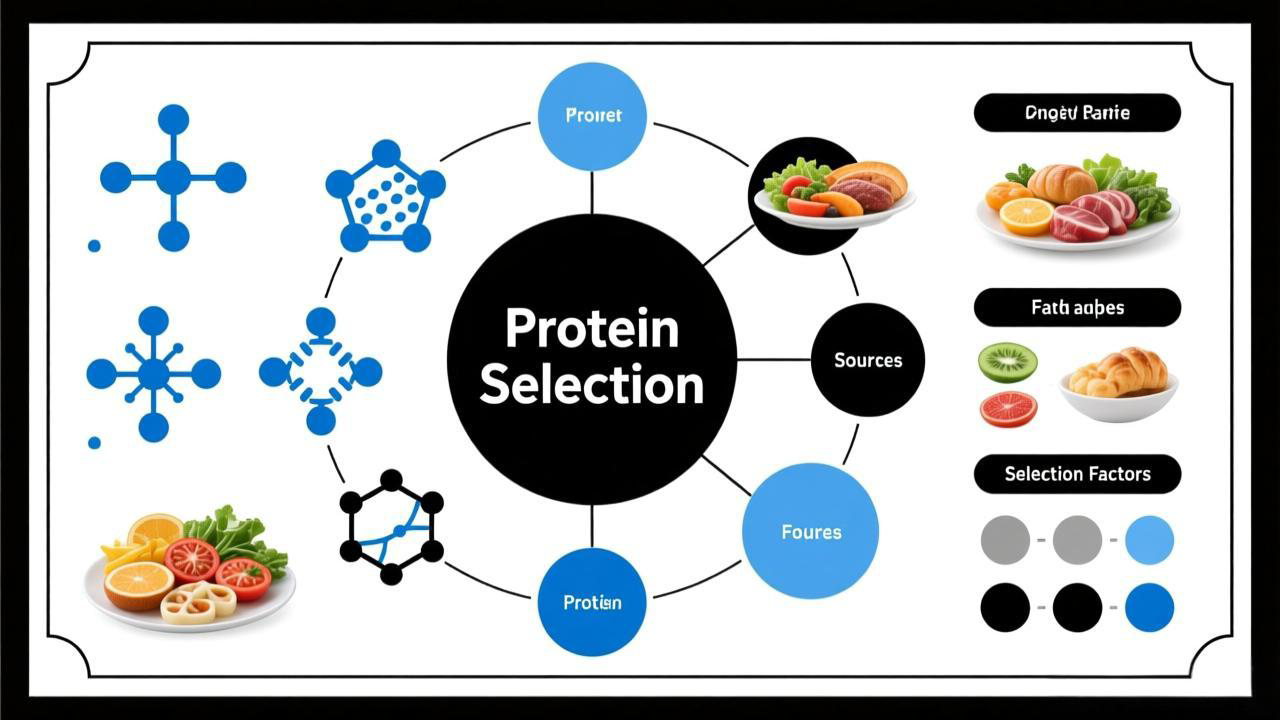
Membrane Protein Aptamer Screening Service is a highly specialized contract research service designed to discover aptamers that bind to integral membrane proteins, such as GPCRs, ion channels, transporters, and receptor tyrosine kinases. This is one of the most challenging and technically demanding areas of aptamer development due to the inherent complexity of maintaining the native structure and function of membrane proteins outside their lipid environment.
Target Integrity: The target protein must be kept in its native, correctly folded conformation. Services use advanced systems like:
Nanodiscs: Membrane proteins embedded in a lipid bilayer stabilized by a belt protein (e.g., MSP).
Proteoliposomes: Reconstituted into lipid vesicles.
Detergent Micelles: Using compatible mild detergents.
Whole Cell-SELEX (or Cell-SELEX): Using live cells expressing the target protein, ensuring native presentation and post-translational modifications.
Hydrophobicity: The screening process must manage hydrophobic surfaces to prevent non-specific selection of sequences that simply bind lipids or detergents through careful counter-selection strategies.
1. Project Design & Target Presentation:
Define Target & Goal: Specify the membrane protein (e.g., human EGFR, specific GPCR) and desired aptamer function (antagonist, agonist, simple binder for detection).
Choose Presentation Platform: This is the most critical decision. The provider will advise on the optimal system:
Purified Protein in Mimetics: Best for defined specificity and high-affinity selection against the protein itself.
Cell-SELEX: Best for selecting aptamers to the native protein in its physiological context, often yielding cell-specific internalizing aptamers. Requires a positive cell line (expressing target) and a negative cell line (isogenic control or lacking target).
2. The Adapted SELEX Process:
Library Design: Often uses nuclease-resistant libraries (e.g., 2′-F RNA) for Cell-SELEX or those compatible with chosen mimetics.
Counter-Selection: Crucial step to subtract binders to the delivery system (e.g., empty nanodiscs, detergent micelles, parent cell line).
Iterative Selection: Binding, washing, and elution cycles are performed using the chosen target format. For Cell-SELEX, flow cytometry is typically used to monitor enrichment.
3. Analysis & Characterization:
Sequencing & Bioinformatics: NGS identifies candidate families.
Validation: Candidates are tested for specific binding to the target format vs. controls.
Functional Analysis: For therapeutic targets, leads are tested in functional assays (e.g., calcium flux for GPCRs, phosphorylation for kinases, cell internalization).
Affinity & Specificity Measurement: Using techniques adapted for membrane proteins, such as flow cytometry binding curves (for Cell-SELEX leads) or BLI/SPR with immobilized proteoliposomes.
4. Delivery & Follow-up:
Delivery of characterized aptamer sequences.
Further Development: Truncation, modification for serum stability, and conjugation (e.g., to drugs for targeted delivery, or dyes for imaging).
Therapeutics: Develop aptamer antagonists or agonists for “undruggable” membrane protein targets (e.g., specific GPCRs). Aptamers can also be used as targeting agents for drug delivery (aptamer-drug conjugates).
Diagnostics & Imaging: Create aptamers to detect disease-specific membrane protein biomarkers on circulating tumor cells or for in vivo imaging.
Research Tools: Use aptamers as highly specific, reversible inhibitors or probes to study membrane protein function and trafficking in cells, often without the genetic modification needed for tags/antibodies.
Proven Expertise with Membrane Proteins: This is a niche. Look for providers with published experience or case studies.
Platform Flexibility: The provider should offer multiple target presentation options (nanodiscs, Cell-SELEX) and advise on the best one for your goal.
Cell Culture & Sorting Capabilities: For Cell-SELEX, access to advanced flow cytometry (FACS) is essential.
Functional Assay Integration: Ability to test aptamer leads in relevant phenotypic or signaling assays is a major advantage.
Understanding of Protein Biochemistry: Expertise in handling, purifying, and reconstituting membrane proteins is non-negotiable.
Aptamer Affinity Optimization

Aptamer Library Construction

Customized Aptamer Selection
High-throughput Aptamer Screening
High-Throughput Sequencing SELEX Aptamer Screening Service

Conventional SELEX Aptamer Screening Service
Negative SELEX Aptamer Screening Service
Toggle-SELEX Aptamer Screening Service
Capture-SELEX Aptamer Screening Service
Surface Plasmon Resonance SELEX Aptamer Screening Service

Capillary Electrophoresis SELEX Aptamer Screening Service
Magnetic Bead-based SELEX Aptamer Screening Service
Toggle-SELEX Aptamer Screening Service

Negative Aptamer Selection- A Practical Guide to Improving Aptamer Specificity in SELEX

selexkmdbio-Cell Nucleic Acid Aptamer Screening Service
Aptamer Screening- Current Methods and Future Trend towards Non-SELEX Approach
Aptamer Screening Service-Subtractive SELEX
Aptamer Screening Service-Counter SELEX
Aptamer Screening Service-HT-SELEX
Aptamer Screening Service-NGS-SELEX

Aptamer Screening Service-Multi-Round SELEX Screening
Whole Cell-SELEX Aptamer Screening Service
Membrane Protein Aptamer Screening Service
Aptamer Screening Service for Drug Discovery
Aptamer Live Cell SELEX Service
Classical SELEX Service for Aptamer
Aptamer Selection and Identification
Aptamer Screening Process and Applications Overview