Due to its high specificity, strong affinity, excellent stability, and ease of preparation and labeling, the screening techniques for aptamers in fields such as cells, fungi, proteins, and small molecules have become increasingly sophisticated. Due to the small molecular weight and single binding site of metal ions, screening methods need to be specially designed. Current research mainly focuses on heavy metal ion aptamers, such as Pb2+, Cd2+, and Hg+. KMD Bioscience provides metal ion nucleic acid aptamer screening services through affinity chromatography SELEX and graphene oxide SELEX, based on the selenium library screening technology.
When conducting metal ion adaptation screening, there are certain requirements for the sample, and the metal ion sample should have high purity to reduce the interference of impurities in the screening process. The concentration of metal ions should be moderate, neither too high nor too low, to ensure effective binding during the screening process. Metal ion samples should be kept stable to avoid chemical changes or degradation during the screening process. Relatively speaking, selex library should have sufficient sequence diversity to cover possible adapter sequences. The length of oligonucleotide sequences should be moderate to form stable structures and effectively bind with metal ions. The metal ion sample and oligonucleotide library are mixed together and incubated in a specific buffer system and suitable temperature to allow the metal ions to fully bind to the random nucleotides in the library. During the screening process, temperature, pH value, ion strength, and other conditions should be strictly controlled to ensure the accuracy and reproducibility of the screening. After multiple rounds of screening, the final enriched oligonucleotide library needs to undergo high-throughput sequencing analysis to determine the optimal adapter sequence through bioinformatics analysis, and further optimization and validation. Therefore, the sample requirements for screening metal ion nucleic acid aptamers involve the purity, concentration, and stability of metal ion samples, and strict control of screening conditions is necessary to optimize the final results.

SELEX screening technology covers four key steps: binding, separation, amplification, and purification. By repeatedly executing these steps, oligonucleotides with high specificity for the target are accurately identified from the library and sequenced to obtain sequence information. The different designs of nucleic acid aptamer sequences can shape different three-dimensional structures and exhibit affinity for specific metal ions. The chemical properties of metal ions, such as hardness and coordination structure, may affect screening, but their single binding site and similar structures among different metal ions can interfere with the specific recognition of metal ions in the same group by aptamers. Conventional SELEX methods may be difficult to separate highly specific aptamers. KMD Bioscience uses affinity chromatography to immobilize the aptamer library on a solid substrate, enabling the screening of aptamers targeting metal ions. Agar or resin is filled into the chromatography column as a solid matrix, and the library is fixed on the solid matrix under the action of streptavidin biotin. Injecting heavy metal ions into affinity chromatography columns for incubation, some specific nucleic acid sequences have high attraction to the target. Through multiple rounds of screening, high affinity aptamers are obtained. Affinity chromatography SELEX is also widely used for aptamer screening against various heavy metal ions. The process of KMD Bioscience is shown in Figure 1.
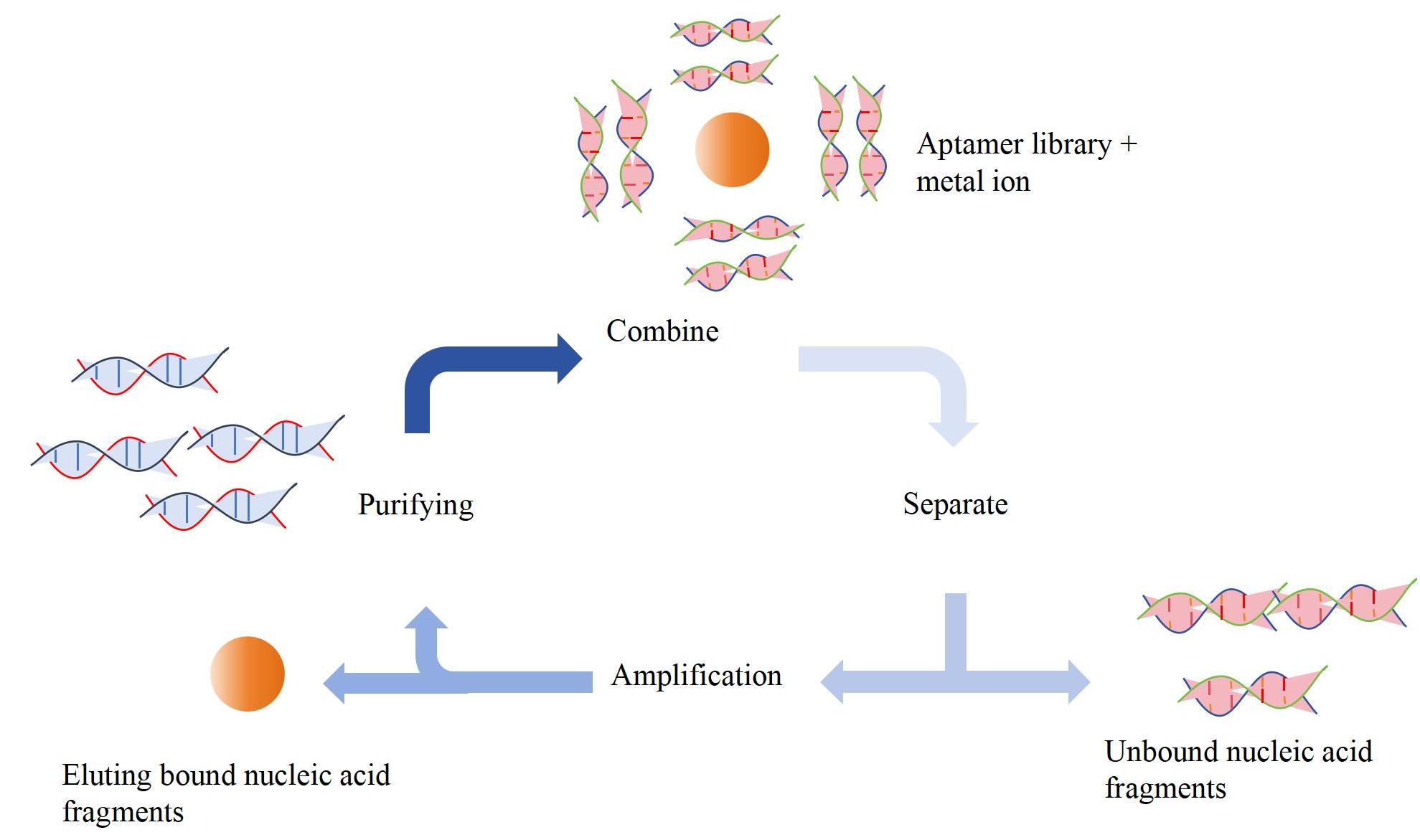
Figure 1 Service process for screening metal ion nucleic acid aptamers
Aptamer Affinity Optimization

Aptamer Library Construction

Customized Aptamer Selection
High-throughput Aptamer Screening
High-Throughput Sequencing SELEX Aptamer Screening Service

Conventional SELEX Aptamer Screening Service
Negative SELEX Aptamer Screening Service
Toggle-SELEX Aptamer Screening Service
Capture-SELEX Aptamer Screening Service
Surface Plasmon Resonance SELEX Aptamer Screening Service

Capillary Electrophoresis SELEX Aptamer Screening Service
Magnetic Bead-based SELEX Aptamer Screening Service
Toggle-SELEX Aptamer Screening Service

Negative Aptamer Selection- A Practical Guide to Improving Aptamer Specificity in SELEX

selexkmdbio-Cell Nucleic Acid Aptamer Screening Service
Aptamer Screening- Current Methods and Future Trend towards Non-SELEX Approach
Aptamer Screening Service-Subtractive SELEX
Aptamer Screening Service-Counter SELEX
Aptamer Screening Service-HT-SELEX
Aptamer Screening Service-NGS-SELEX

Aptamer Screening Service-Multi-Round SELEX Screening
Whole Cell-SELEX Aptamer Screening Service
Membrane Protein Aptamer Screening Service
Aptamer Screening Service for Drug Discovery
Aptamer Live Cell SELEX Service
Classical SELEX Service for Aptamer
Aptamer Selection and Identification
Aptamer Screening Process and Applications Overview