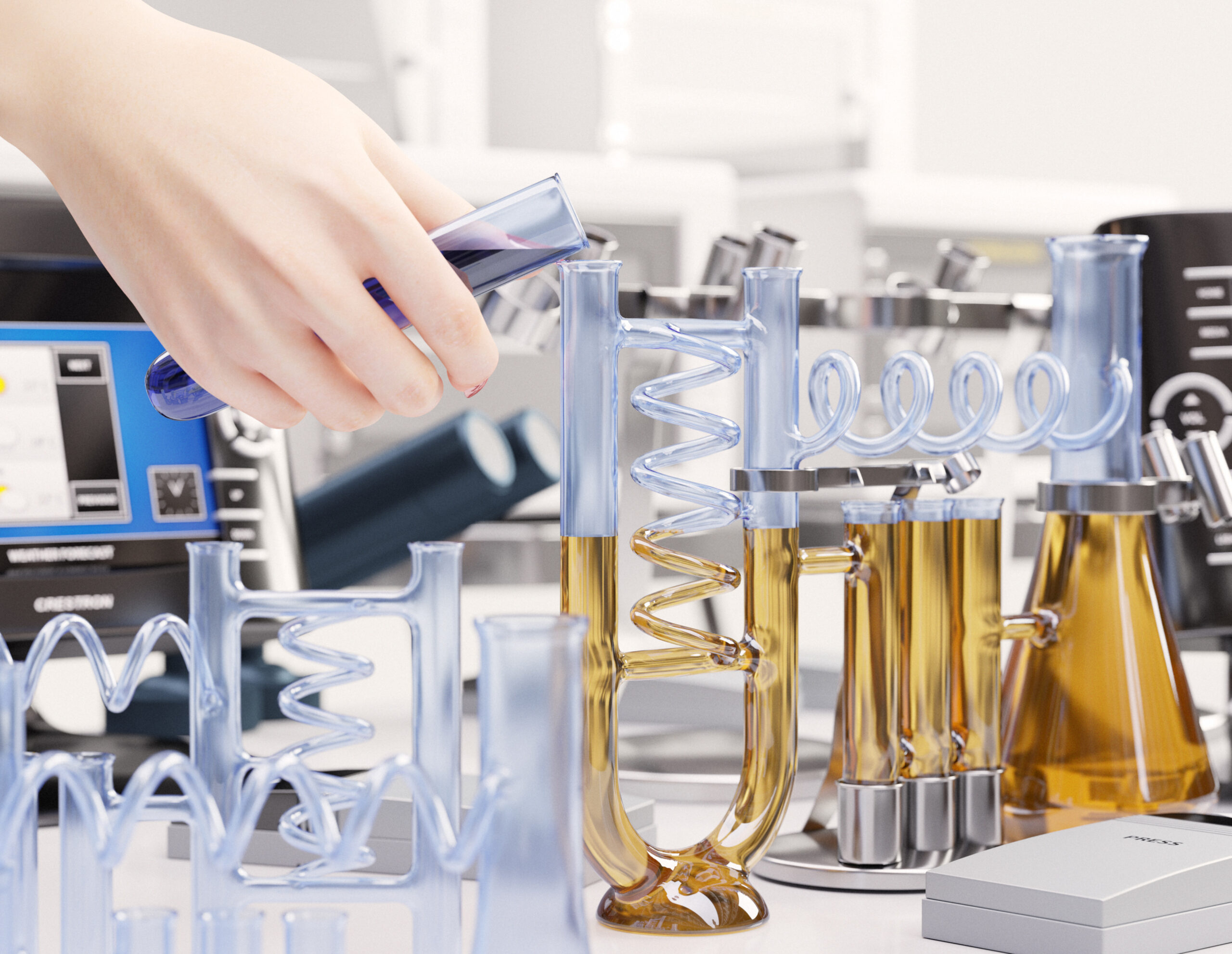
Core Principle: Real-Time Interaction Analysis An SPR biosensor (e.g., Biacore, Nicoya Lifesciences) detects changes in the refractive index on a thin gold sensor surface. Target Immobilization: The pathogen target (e.g., a purified viral protein) is covalently coupled to the sensor chip surface in a controlled manner. Library Injection: The random-sequence DNA/RNA library is flowed over the chip in a continuous buffer stream. Real-Time Monitoring: The SPR signal (measured in Resonance Units, RU) increases as library members bind to the immobilized target. Precise Fraction Collection: Instead of manual washing and elution, the instrument's microfluidic system can collect the specifically bound sequences by switching to an elution buffer (e.g., high salt, low pH, or denaturing conditions) at a precisely defined moment, often based on the real-time binding curve. Amplification: The collected fraction is PCR-amplified to generate the pool for the next round. Typical SPR-SELEX Service Workflow 1. Chip Preparation & Target Immobilization: The service provider will select an appropriate sensor chip (e.g., CMS carboxymethyl dextran) and optimal chemistry (amine coupling, streptavidin-biotin) to immobilize the client's purified target, ensuring a stable, active, and oriented surface. 2. Selection Rounds with Kinetic Control: Library Contact: The naïve or enriched pool is injected over the target surface and a reference surface (for subtraction of…